No products in the cart.

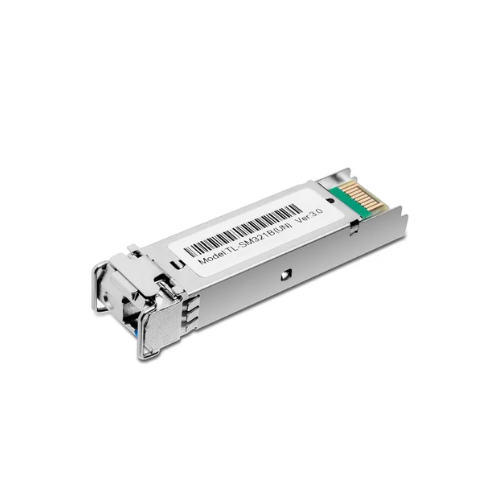
TP-Link Omada SM321B 1000Base-BX WDM Bi-Directional Gigabit SFP Module — Single-Fiber Gigabit Transmission Done Efficiently
Fiber optic infrastructure is the backbone of serious network deployments — and anyone who has worked on a real fiber rollout in Bangladesh knows that one of the most overlooked cost factors isn’t the switches or the cable itself. It’s the fiber count. Every time a standard duplex SFP link is deployed, it consumes two strands of fiber — one for transmit, one for receive. In a building with limited conduit space, an ISP with pre-laid single-core fiber runs, or a campus network where fiber duct capacity is already under pressure, that two-strand-per-link requirement quietly doubles your fiber consumption and your infrastructure costs.
The TP-Link Omada SM321B solves this problem at the transceiver level. It is a 1000Base-BX WDM (Wavelength Division Multiplexing) Bi-Directional SFP module that transmits and receives Gigabit data over a single strand of single-mode fiber simultaneously — using two different wavelengths to separate the traffic directions on the same physical medium. The SM321B specifically uses a TX wavelength of 1310nm for transmission and an RX wavelength of 1550nm for reception, which means it must always be paired with a complementary module at the opposite end — the SM321B-2 variant, which transmits at 1550nm and receives at 1310nm. Together, the pair creates a complete full-duplex Gigabit link over a single fiber strand, cutting your fiber consumption per link in half.
For ISPs extending fiber infrastructure across Dhaka’s densely built commercial districts, enterprise network teams running inter-building fiber between campus structures in Rajshahi or Sylhet, or data center operators in Chattogram managing tight fiber tray capacity, that 50% reduction in fiber strand utilization is a genuine and quantifiable infrastructure saving — not a marketing claim.
The SM321B operates over single-mode fiber with a maximum reach of 10 kilometers, which covers inter-building campus links, ISP last-mile fiber extensions, and metropolitan area network (MAN) uplinks comfortably without optical amplification. The SC/UPC simplex connector interface is industry-standard, compatible with the SC simplex adapter panels and fiber patch leads widely available in Bangladesh’s structured cabling market.
Compliance with the SFP MSA standard ensures the SM321B functions reliably in SFP-capable host equipment from multiple vendors — not just TP-Link Omada switches, but also equipment from Cisco, Huawei, MikroTik, Ubiquiti, D-Link, and Netgear, subject to host compatibility verification. The hot-pluggable SFP footprint means installation and maintenance can happen on live switches without service interruption — a critical requirement for ISPs and enterprise network teams operating production environments where unplanned downtime carries real commercial consequences.
Power consumption is kept low, operating on the standard 3.3V SFP power rail, and the metallic SFP housing provides EMI shielding to maintain signal integrity in equipment room environments where multiple active components generate electromagnetic interference. The digital diagnostic monitoring (DDM) function — also known as DOM — provides real-time visibility into transceiver parameters including optical transmit power, received optical power, supply voltage, temperature, and laser bias current, all readable from the host switch’s management interface without opening the equipment rack.
For network planners, ISP engineers, and enterprise IT managers across Bangladesh evaluating fiber transceiver options for single-mode fiber links up to 10km, the SM321B represents a technically sound, cost-conscious, and operationally practical choice that maximizes the value of every fiber strand already in the ground.
TP-Link Omada SM321B Specifications
| Specification | Details |
|---|---|
| Brand | TP-Link (Omada Series) |
| Model | SM321B |
| Product Type | 1000Base-BX WDM Bi-Directional Gigabit SFP Module |
| Fiber Mode | Single-Mode Fiber (SMF) |
| Transmission Direction | Bi-Directional (Single Fiber Strand) |
| TX Wavelength | 1310 nm |
| RX Wavelength | 1550 nm |
| Complementary Module | SM321B-2 (TX: 1550nm / RX: 1310nm) |
| Data Rate | 1.25 Gbps (1000Base-BX) |
| Maximum Reach | Up to 10 km over Single-Mode Fiber |
| Connector Type | SC/UPC Simplex |
| Network Standard | IEEE 802.3 1000BASE-BX10 |
| SFP MSA Compliance | Yes — Multi-Source Agreement Standard |
| Digital Diagnostic Monitoring | Yes (DDM / DOM supported) |
| DDM Parameters | TX Power, RX Power, Temperature, Voltage, Laser Bias Current |
| Hot-Pluggable | Yes |
| TX Disable Function | Supported |
| Loss of Signal (LOS) | Supported |
| Supply Voltage | 3.3V DC |
| Operating Temperature | 0°C to +70°C |
| Storage Temperature | -40°C to +85°C |
| Enclosure Material | Metallic (Low EMI) |
| Compatible Vendors | TP-Link, Cisco, Huawei, MikroTik, Ubiquiti, D-Link, Netgear |
| RoHS Compliant | Yes |
| Warranty | 1 Year TP-Link Manufacturer Warranty |
| Application | Single-fiber ISP uplinks, inter-building campus fiber, MAN fiber links |
Why You Buy TP-Link Omada SM321B 1000Base-BX WDM Bi-Directional SFP Module
- Cuts Fiber Strand Consumption by 50% — Doubling the Capacity of Every Fiber Run Already in Place — Standard duplex SFP links consume two fiber strands per Gigabit connection. The SM321B’s WDM bi-directional technology carries full-duplex Gigabit traffic over a single strand using separate TX and RX wavelengths, immediately halving fiber consumption per link. For ISPs in Bangladesh managing expensive fiber duct infrastructure across urban areas, enterprise network teams with limited conduit capacity between buildings, or data center operators working within tight fiber tray constraints, this single-fiber operation directly translates into deferred capital expenditure on new fiber runs — a concrete financial advantage that justifies the module cost many times over on any moderately sized deployment.
- 10km Single-Mode Reach Covers Every Practical ISP and Campus Fiber Scenario in Bangladesh — With a maximum operating distance of 10 kilometers over single-mode fiber, the SM321B comfortably handles inter-building campus links, ISP distribution layer uplinks, metropolitan Ethernet extensions, and last-mile fiber connections across Bangladesh’s urban and peri-urban network infrastructure. That 10km reach eliminates the need for optical amplifiers, media converters, or signal repeaters on the vast majority of real-world fiber spans — keeping the link architecture clean, the component count low, and the points of potential failure to a minimum.
- DDM Real-Time Diagnostics Reduces Fiber Troubleshooting Time From Hours to Minutes — Fiber link troubleshooting in Bangladesh’s enterprise and ISP environments is often a slow, manual process — dispatching a technician to check connections, testing with an optical power meter, and working through the link section by section. The SM321B’s Digital Diagnostic Monitoring capability streams real-time transceiver health data — transmit optical power, receive optical power, operating temperature, supply voltage, and laser bias current — directly to the host switch’s management interface. Network engineers can identify a degraded laser, insufficient received optical power, or a developing fiber fault from the NOC or management console without a site visit, dramatically reducing mean time to resolution on fiber link incidents.
FAQ
Q1: Why must the TP-Link SM321B always be paired with the SM321B-2 module — can two SM321B units work together? No — two SM321B units cannot form a working link because both transmit at 1310nm and both expect to receive at 1550nm, meaning neither end generates the wavelength the other end is listening for. A working bi-directional WDM link requires one SM321B (TX: 1310nm / RX: 1550nm) at one end and one SM321B-2 (TX: 1550nm / RX: 1310nm) at the other end — the two complementary wavelengths pass each other on the same fiber strand simultaneously, creating full-duplex Gigabit transmission over a single fiber.
Q2: Can the TP-Link SM321B be used in non-TP-Link switches such as Cisco or MikroTik equipment in Bangladesh? Yes — the SM321B is compliant with the SFP Multi-Source Agreement (MSA) standard, which defines the mechanical, electrical, and management interface specifications that allow SFP modules to function across equipment from different manufacturers; it is verified compatible with Cisco, Huawei, MikroTik, Ubiquiti, D-Link, and Netgear SFP-capable switches and routers, though it is always recommended to verify against the host switch’s specific SFP compatibility list before large-scale deployment.
Q3: Where can I buy the TP-Link Omada SM321B SFP Module in Bangladesh and what is the price? The TP-Link Omada SM321B 1000Base-BX WDM Bi-Directional SFP Module is available from authorized TP-Link distributors and networking hardware retailers across Bangladesh — including dealers in Dhaka’s IDB Bhaban, Multiplan Centre, and Elephant Road, as well as major online marketplaces — contact your nearest authorized TP-Link reseller or trusted online platform for current stock availability and the latest BD market price.
Related products
Sale!
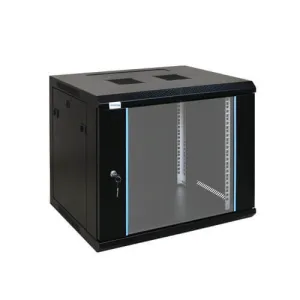
Toten 9U Server Rack 600 x 450mm
Original price was: 16,500.00৳ .15,500.00৳ Current price is: 15,500.00৳ .Sale!
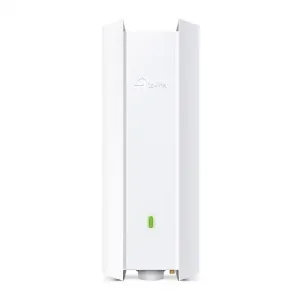
Tp-Link EAP610-Outdoor AX1800 Indoor Outdoor WiFi 6 Access Point
Original price was: 15,500.00৳ .13,200.00৳ Current price is: 13,200.00৳ .Sale!

Gigasonic RDA-1705M 17 Inch HDMI LED Square Monitor
Original price was: 7,500.00৳ .4,800.00৳ Current price is: 4,800.00৳ .Sale!
Dahua DHI-LM22-A201YFS 21.45″ IPS Full HD 100Hz Monitor
Original price was: 14,500.00৳ .12,900.00৳ Current price is: 12,900.00৳ .
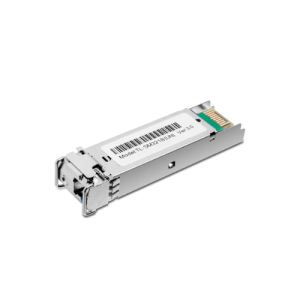 TP-Link Omada SM321B 1000Base-...
 Original price was: 2,250.00৳ .2,150.00৳ Current price is: 2,150.00৳ .
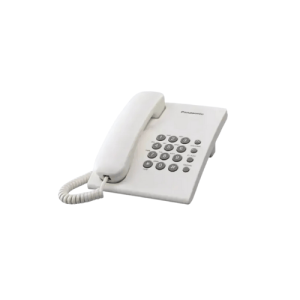
Panasonic Phone Set KX-TS500MX (Original)
Original price was: 2,050.00৳ .1,650.00৳ Current price is: 1,650.00৳ .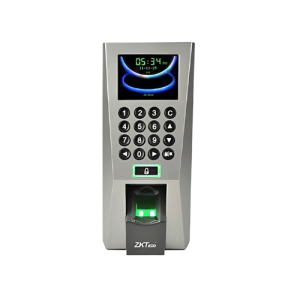
ZKTeco F18 Access Control
Original price was: 12,500.00৳ .10,300.00৳ Current price is: 10,300.00৳ .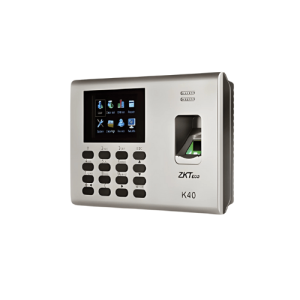
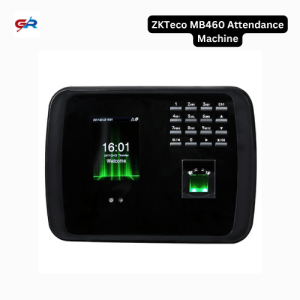
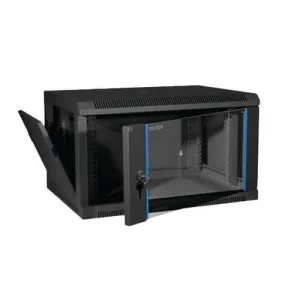
Toten 6U Server Rack 600 x 450mm
Original price was: 13,500.00৳ .12,300.00৳ Current price is: 12,300.00৳ .
Categories
Categories