No products in the cart.


MikroTik cAP ac Dual Band Wall/Ceiling Access Point — Enterprise-Grade Wi-Fi That Disappears Into Your Space
Most businesses in Bangladesh reach a point where a single router in the corner just doesn’t cut it anymore. Dead zones in the conference room, weak signal on the second floor, guests complaining about drop-outs — these are the kinds of problems that a proper access point deployment solves, and the MikroTik cAP ac (RBcAPGi-5acD2nD) is built exactly for that job.
What sets the MikroTik cAP ac apart from the typical consumer-grade access points flooding the local market isn’t just the hardware — it’s the combination of serious wireless performance, flexible deployment options, and full power of RouterOS running underneath. This is a device that network administrators in Dhaka corporate offices, hotel IT teams in Cox’s Bazar, and ISPs managing multi-tenant deployments across Chattogram actually trust, because it behaves predictably, scales well, and gives you real control over your network.
Design is genuinely thoughtful. It comes with two enclosures in the box — a round version (136mm diameter) and a square version (145×145mm) — so whether you’re mounting it on a ceiling tile or flush against a wall, it looks intentional rather than improvised. The low-profile, 30mm-thin body is discreet enough that most occupants won’t even notice it’s there. But they’ll notice the Wi-Fi.
On the wireless side, the cAP ac runs concurrent dual-band radios — 2.4GHz delivering up to 300 Mbps and 5GHz pushing up to 867 Mbps — giving you a combined theoretical throughput of 1,167 Mbps. The dual-chain antennas push signal in 360 degrees, which matters in open-plan offices or restaurant floors where coverage needs to be omnidirectional. The 5GHz band’s 802.11ac support also means modern laptops, smartphones, and IoT devices connect at their fastest possible speeds without fighting for bandwidth on the congested 2.4GHz channel.
Quad-core IPQ-4018 ARM processor running at up to 896MHz handles routing, wireless management, and IPsec hardware acceleration without breaking a sweat — and that IPsec acceleration is a genuine differentiator for businesses running VPN tunnels or encrypted site-to-site links. Pair that with 128MB RAM and RouterOS License Level 4, and you have a device capable of handling VLANs, hotspot setups, bandwidth queuing, CAPsMAN wireless management, and much more — features you’d normally expect from equipment costing significantly more.
Powering it is straightforward. The first Ethernet port accepts 802.3af/at PoE input (17–57V), so a single cable from a PoE switch handles both data and power. Port 2 provides passive PoE output (up to 57V), letting you daisy-chain power to a connected device — a small but practical touch for extending deployments without running additional power cables.
For network managers across Bangladesh deploying access points in schools, garment factories, hospitals, or multi-floor commercial buildings, the cAP ac hits a sweet spot that’s hard to argue with: enterprise-level control, clean design, and a price point that makes scaling to dozens of units genuinely feasible.
MikroTik cAP ac Dual Band Wall Access Point Specifications
| Specification | Details |
|---|---|
| Product Code | RBcAPGi-5acD2nD |
| Architecture | ARM 32-bit |
| CPU | Qualcomm IPQ-4018 |
| CPU Core Count | 4 (Quad-Core) |
| CPU Frequency | 488–896 MHz (Auto) |
| RAM | 128 MB |
| Storage | 16 MB FLASH |
| Operating System | RouterOS (License Level 4) |
| 2.4 GHz Standard | 802.11b/g/n (Wi-Fi 4) |
| 2.4 GHz Max Data Rate | 300 Mbit/s |
| 2.4 GHz Chains | 2 |
| 2.4 GHz Antenna Gain | 2 dBi |
| 5 GHz Standard | 802.11a/n/ac (Wi-Fi 5) |
| 5 GHz Max Data Rate | 867 Mbit/s |
| 5 GHz Chains | 2 |
| 5 GHz Antenna Gain | 2.5 dBi |
| Combined Throughput | Up to 1,167 Mbit/s |
| Ethernet Ports | 2 × 10/100/1000 Gigabit |
| PoE Input | 802.3af/at (Port 1), 17–57V |
| PoE Output | Passive PoE up to 57V (Port 2) |
| Max Power Consumption | 13W |
| IPsec Hardware Acceleration | Yes |
| Wireless Coverage | 360° Omnidirectional |
| Mounting Options | Ceiling or Wall |
| Dimensions (Round Case) | ⌀ 136 mm × 30 mm |
| Dimensions (Square Case) | 145 mm × 145 mm × 30 mm |
| Operating Temperature | -40°C to +50°C |
| MTBF | ~100,000 hours at 25°C |
| Certifications | CE, FCC, IC, EAC, RoHS |
| Frequency Range (International) | 2412–2484 MHz / 5150–5875 MHz |
| Included Accessories | 24V 1.2A PSU, Ceiling mount, Gigabit PoE injector, K-46 screw kit |
Why You Buy MikroTik cAP ac Dual Band Wall Access Point
- RouterOS Level 4 Gives You Enterprise Control at a Small Business Price — Unlike budget access points that lock you into a mobile app with three slider settings, the cAP ac runs full RouterOS, meaning you get VLANs, hotspot portal, bandwidth queuing, CAPsMAN centralized wireless management, firewall rules, and VPN support right out of the box. For ISPs and network administrators in Bangladesh managing multi-site deployments, this level of control at this price point is genuinely difficult to find elsewhere.
- Single-Cable PoE Deployment Cuts Installation Time and Cost in Half — In real-world installations — whether it’s a garment factory in Gazipur, a hospital corridor in Rajshahi, or a hotel in Sylhet — running separate power lines to every access point is expensive and disruptive. The cAP ac takes a single PoE cable from any 802.3af/at switch and turns it into both power and data, slashing cabling costs and making clean, cable-hidden installations genuinely achievable without an electrician.
- Dual Enclosure Design Makes It Look Right Everywhere It’s Installed — First impressions matter in professional environments, and an access point that looks like an afterthought undermines the credibility of the whole installation. MikroTik ships the cAP ac with both a round and square enclosure — you choose the one that fits the space. The low 30mm profile, white finish, and recessed mode button keep it looking sharp on ceilings or walls, without the bulky, industrial appearance that puts off clients and building managers.
FAQ
Q1: Can the MikroTik cAP ac be managed centrally across multiple access points in Bangladesh deployments? Yes — the cAP ac fully supports MikroTik’s CAPsMAN (Controlled Access Point system Manager), which allows network administrators to configure, monitor, and manage multiple cAP ac units from a single controller, making it ideal for ISPs, hotels, hospitals, and multi-floor office deployments across Bangladesh where consistent Wi-Fi policy and roaming need to be maintained across dozens of access points.
Q2: Does the MikroTik cAP ac work with any PoE switch, or does it need a specific MikroTik switch? The cAP ac accepts standard 802.3af and 802.3at PoE input on its first Ethernet port, meaning it works with any compliant PoE switch or PoE injector from any brand — MikroTik, TP-Link, Cisco, or others — as long as the output voltage falls within the 17–57V supported range, which covers virtually all standard PoE equipment available in the Bangladeshi market.
Q3: What is the price of the MikroTik cAP ac in Bangladesh and where can I buy it? The MikroTik cAP ac (RBcAPGi-5acD2nD) is available from authorized MikroTik distributors and networking equipment retailers across Bangladesh — including shops in Dhaka’s Multiplan Centre, Elephant Road, and online platforms — with current market pricing ranging approximately from ৳10,000 to ৳10,500; contact your nearest authorized dealer for the latest stock availability and best price.
Related products
Sale!
Toten 6U Server Rack 600 x 450mm
Original price was: 13,500.00৳ .12,300.00৳ Current price is: 12,300.00৳ .Sale!

Ubiquiti UAP-AC-LR AC1300 1300 Mbps Dual-Band Gigabit UniFi Access Point
Original price was: 17,500.00৳ .15,500.00৳ Current price is: 15,500.00৳ .Sale!

Ubiquiti Unifi 6 Lite AX1500 Mbps Gigabit Dual Band Access Point
Original price was: 19,500.00৳ .17,500.00৳ Current price is: 17,500.00৳ .Sale!
Toshiba 5400RPM S300 4TB Surveillance Hard disk
Original price was: 19,500.00৳ .18,500.00৳ Current price is: 18,500.00৳ .Sale!
Out of stock
Hikvision 6TB 3.5 Inch SATA 5400RPM Surveillance Internal HDD
Original price was: 36,000.00৳ .35,500.00৳ Current price is: 35,500.00৳ . Mikrotik cAP ac Dual Band Wall...
 Original price was: 12,300.00৳ .11,200.00৳ Current price is: 11,200.00৳ .
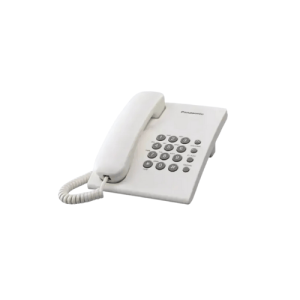
Panasonic Phone Set KX-TS500MX (Original)
Original price was: 2,050.00৳ .1,650.00৳ Current price is: 1,650.00৳ .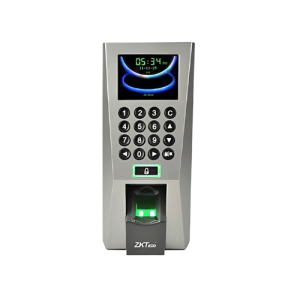
ZKTeco F18 Access Control
Original price was: 12,500.00৳ .10,300.00৳ Current price is: 10,300.00৳ .
Toten 6U Server Rack 600 x 450mm
Original price was: 13,500.00৳ .12,300.00৳ Current price is: 12,300.00৳ .
Categories
Categories